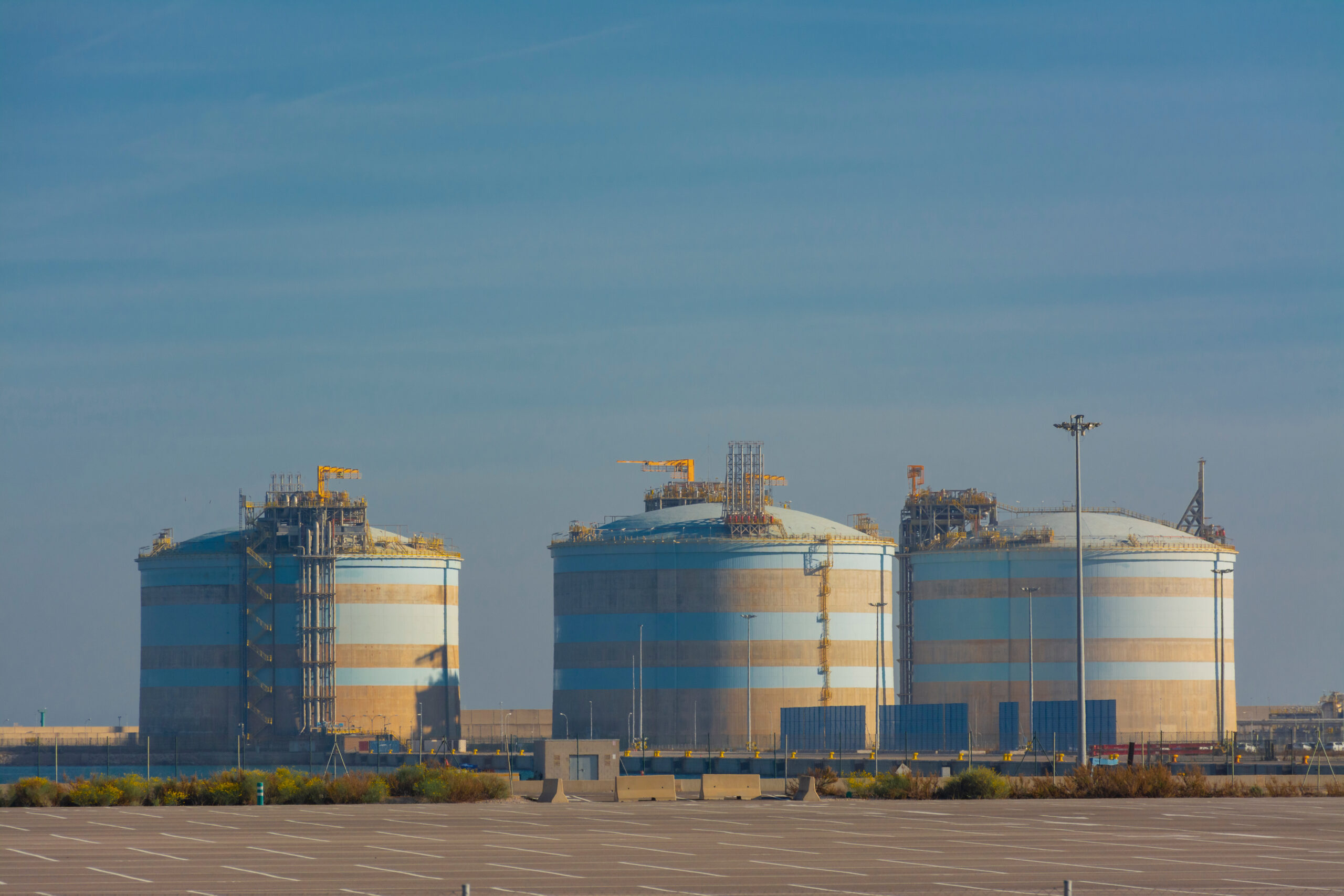



Commercialisation of new LNG capacity – supply projects, shipping and European regas – is one of the key themes in our client work right now. It sits at the core of two questions every project sponsor and investor faces: which projects get enough offtake cover to reach FID, and how do stakeholders raise the financing to get there?
The two are tightly linked. The Sales & Purchase Agreement (SPA) that wins an offtaker is the same contract that underpins debt financing. Understanding what drives a bankable, commercially competitive offtake agreement is therefore central to both challenges.
In today’s article we set out 3 key drivers behind achieving successful LNG project commercialisation, based on our experience supporting clients.
Driver 1: The investment backdrop
Three important factors interact to shape the environment a project is marketing into:
A. Market outlook. Forward curve dynamics matter for negotiation tactics, but supply/demand balance and pricing dynamics across the full contract horizon have a bigger value impact. Be careful in anchoring commercial strategy to spot market conditions.
B. Tenor. Start date matters – particularly given the volume of new supply landing over the next five to six years. But targeted contract duration is equally important. For both commercialisation and debt, longer duration is an advantage. And at a minimum needs to cover the debt tenor.
C. Competitive landscape. Developers are not marketing in isolation. They are competing simultaneously with pre-FID projects marketing primary capacity, post-FID equity holders selling secondary volumes, and existing projects recontracting or backfilling. Analysing who else is in the market and on what terms is as important as targeting offtakers.
Driver 2: Buyer motivations and credit quality
Buyer type determines both the commercial structure a project can offer and its bankability profile. These differ sharply across the main counterparty categories.
Majors and portfolio players optimise for portfolio fit, index optionality and physical flexibility. They favour FOB delivery and long tenor and will pay a premium for flex. Credit is strong, but flexibility-led structures can carry more merchant risk, which lenders price accordingly.
Asian NOCs and utilities prioritise security of supply and cost certainty. JCC/oil-linked pricing, fixed volumes, 15–20 year tenors and sovereign or parent guarantees. This is the most bankable buyer profile – high credit quality and stable, predictable cashflows that lenders can underwrite with confidence.
Traders and aggregators move fast and offer real commercial optionality – hub-linked pricing, full flexibility, shorter tenors. Useful for filling tranches, but the structures are often shorter and more merchant, making them less attractive to project lenders.
European utilities play a bridging role – typically medium tenor, TTF-linked and often regas-backed. Increasingly relevant as European import volumes and regas infrastructure have expanded.
Driver 3: The commercialisation approach
Getting the commercial structure right is where the value is made or lost for supply, shipping and regas projects. In Table 1 we set out 10 core value levers that developers focus on to match buyer appetite, build contract value and satisfy lender requirements.